Claas KIRCHHELLE is Associate Research Professor (chargé de recherche) at the Institut national de la santé et de la recherche médicale (INSERM). His expertise includes the global governance of AMR, innovation discourses in relation to AMR, history of microbes, laboratory infrastructures, and the development, marketing, and regulation of antibiotics and vaccines.
Blog
-
Ulrike Felt
Ulrike FELT is Professor of Science & Technology Studies, University of Vienna, Austria, and Principal Investigator of the ERC Advanced Grant on Innovation residues (INNORES). Her expertise includes sociotechnical imaginaries, responsible research and innovation, interpretive methodologies, and STS approaches to health, biomedicine and environmental policy
-
Clare Chandler
Clare CHANDLER is Professor of Medical Anthropology and former Director of Antimicrobials in Society Centre at the University of London. Her expertise includes the social studies of AMR, antibiotic infrastructures, global health and infectious diseases control.
-
Kristin Asdal
Kristin ASDAL is Professor of Science & Technology Studies and Head of Department at Centre for Technology, Innovation and Culture at the University of Oslo, Norway. Her expertise includes Actor-Network-Theory, new materialist approaches to biopolitics, practice-based theories and analysis of (policy) documents, as well as STS approaches to study economies
-
About
ALTERBIOTIC investigates the multifaceted global crisis of antimicrobial resistance (AMR) by focusing on the innovation challenges involved in developing new, effective treatments against bacterial infections, and multi-drug-resistant ‘superbugs’ particularly.
Antibiotic drugs – encapsulating the triumph of modern medicine over bacteria – are indispensable for healthcare and public health. Yet, their decades-long excessive global use has rapidly undermined their efficacy, as bacteria are becoming resistant to the very antibiotics that once easily eradicated them. In a recent report, the World Health Organization has found that already 1 in 6 infections occurring worldwide shows resistance to those antibiotics commonly used to treat the infection (World Health Organization 2025). Already today, the global health burden imposed by AMR is considerable. AMR was directly responsible for an estimated 1.2 million deaths globally in 2019, with additionally nearly 5 million deaths associated with resistant infections—exceeding the death toll of major infectious diseases like HIV/AIDS and malaria (Murray et al. 2022). Beyond this health burden, AMR is also projected to impose a staggering economic burden, with global losses potentially reaching up to 100 trillion USD by 2050 (Countryman and McDonnell 2025) due to a combination of escalating healthcare expenditures, prolonged illness, increased mortality, and a significant decline in livestock production.
AMR has been formally recognized by leading global institutions—including the United Nations (UN), the World Health Organization (WHO), and the G7 and G20 summits—as a critical threat to global health security and sustainable development that demands urgent, coordinated, and multi-sectoral action.
Whilst the main drivers of AMR are decade-long overuse and misuse of antibiotics globally, it is exacerbated by a significant decline in antibiotic R&D and resulting innovation crisis. Despite the urgent need for new, effective antibiotics, the big industry players that have traditionally supplied society with new antibiotics have largely abandoned this field over the past decades due to scientific and commercial challenges.
This predicament presents society with the challenge of revising the policy frameworks and innovation models that guide how essential medicines are developed, valued, and deployed across society. ALTERBIOTIC investigates current efforts to rebuild the antimicrobial innovation ecosystem by examining how key actors from science, industry, and policy imagine and pursue robust solutions to the AMR health and innovation crisis. Empirically, the project maps emerging alternative clinical, regulatory, and economic approaches to drive biomedical R&D in this field and analyses the complex political and technical ‘innovation challenges’ related to the timely, sustainable, and equitable development of new, effective antibacterial therapies.
ALTERBIOTIC conceptualizes AMR as a deep-seated crisis that puts into question dominant regimes of health, growth, and security, which have long depended on readily available and effective pharmaceuticals.
References
Countryman, Amanda, and Anthony McDonnell. 2025. “Modelling the Global Economic Impact of Antimicrobial Resistance in Humans.” https://www.cgdev.org/publication/modelling-global-economic-impact-antimicrobial-resistance-humans.
Murray, Christopher J. L. et al. 2022. “Global Burden of Bacterial Antimicrobial Resistance in 2019: A Systematic Analysis.” The Lancet 399(10325):629–55. doi:10.1016/S0140-6736(21)02724-0.
World Health Organization. 2025. Global Antibiotic Resistance Surveillance Report 2025: WHO Global Antimicrobial Resistance and Use Surveillance System (GLASS). Geneva.
-
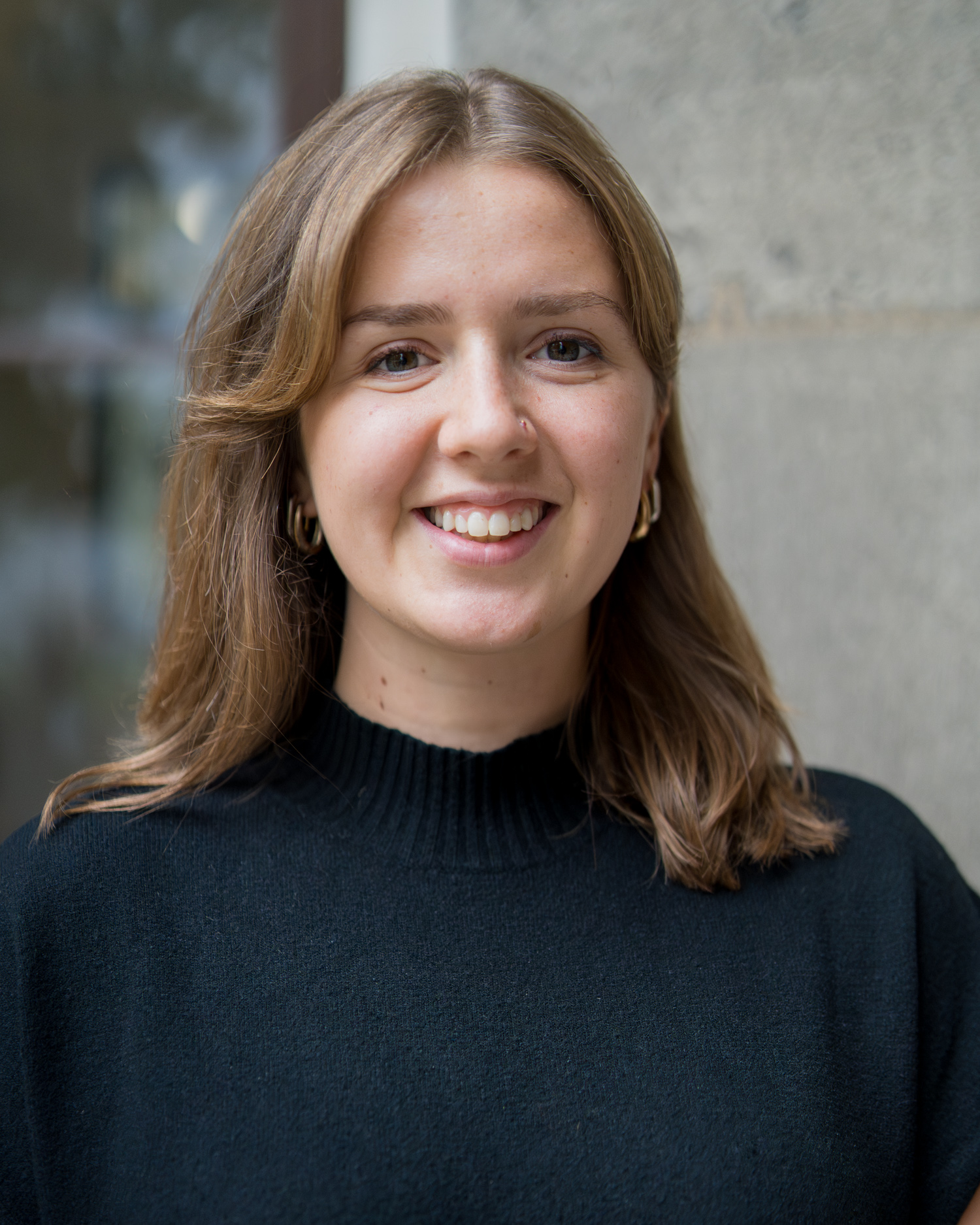
Kirsty Bentley
Research Assistant
Kirsty Bentley is a research assistant at the University of Vienna and a member of the ALTERBIOTIC team. Kirsty holds a Master’s in Chemistry from the University of St Andrews, with a Master thesis entitled: Can pulse dipolar EPR really go the distance? An investigation via simulation into the limits of pulse dipolar EPR in protein structure validation. She is now working towards an MA in Science and Technology Studies (STS) at the University of Vienna, specialising in medical STS. As part of ALTERBIOTIC, Kirsty conducts research into how chemical and social mechanisms of resistance are understood and translated into drug discovery practices.
-
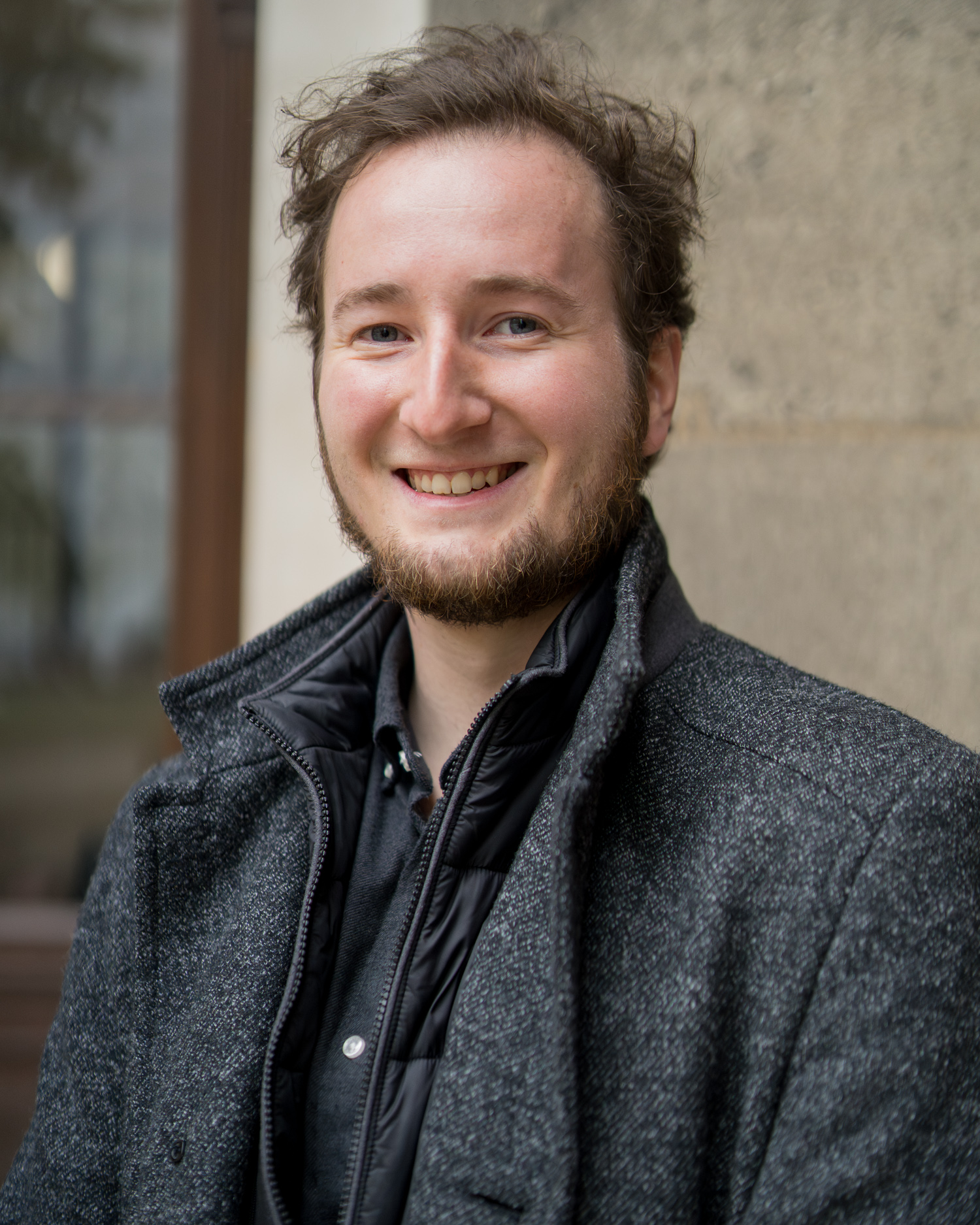
Andreas Albiez
Researcher (Doctoral)
Andreas Albiez is a doctoral researcher at the University of Vienna and a member of the ALTERBIOTIC team. Andreas received his MA in Science and Technology Studies from the University of Vienna with a thesis entitled: A window into macroeconomics: The case of Modern Monetary Theory. As part of ALTERBIOTIC, Andreas conducts research into how scientific and economic practices influence and shape each other in antibiotic innovation.
-
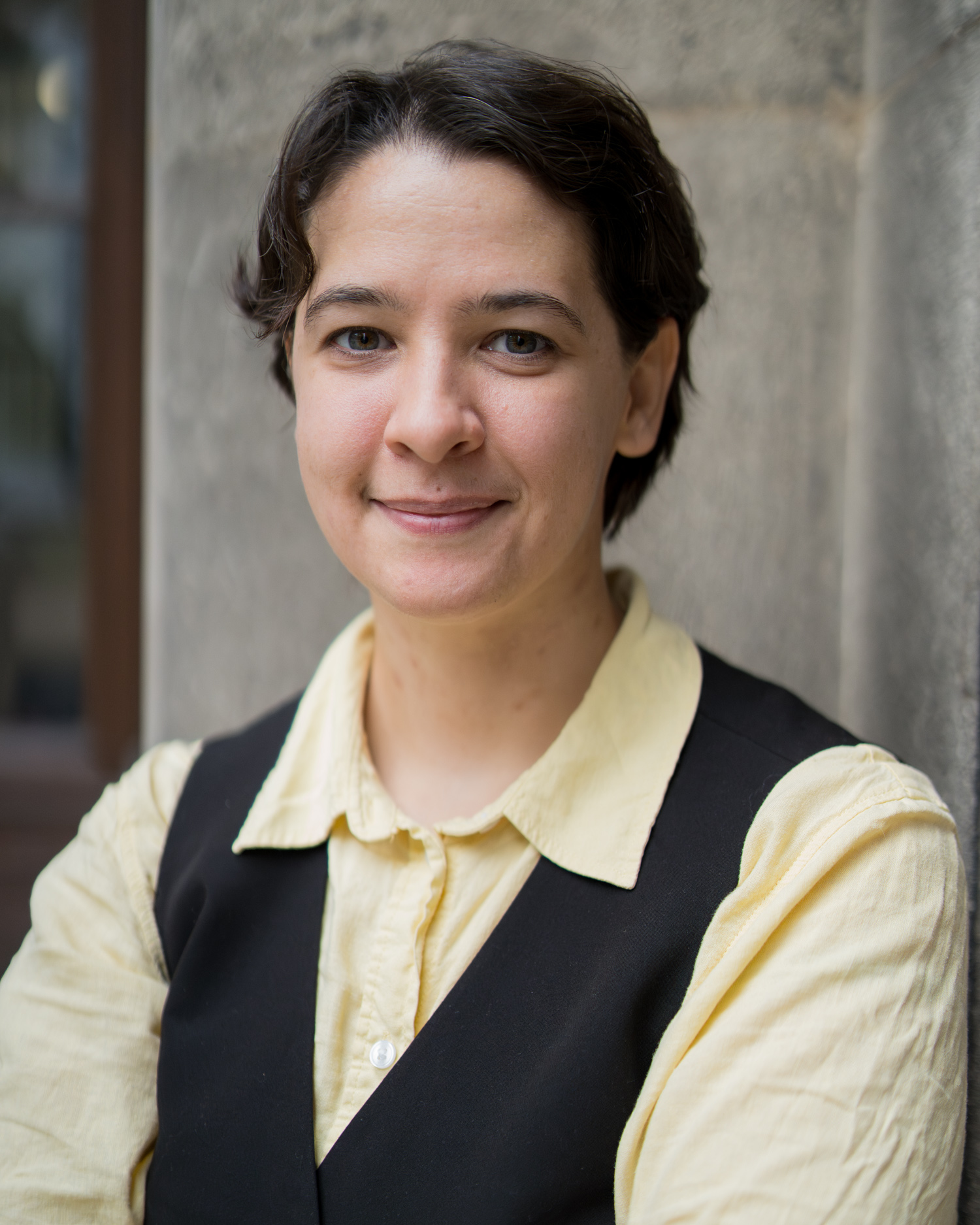
Erin L. Paterson
Researcher (Post-doctoral)
Erin Paterson is a post-doctoral researcher at the University of Vienna and a member of the ALTERBIOTIC team. Erin received her PhD at Université de Strasbourg in 2025 in the field of History of Science, Technology, and Medicine. Her dissertation was entitled: A crumbling infrastructure: questioning the stability of access to antibiotics new and old. She was previously a member of the Research Council of Norway funded project Dry AP, investigating why new antibiotics are no longer being developed. As part of ALTERBIOTIC, Erin conducts research into tuberculosis and the increasing relevance of new vaccine R&D as prevention strategies.
-

Christian Haddad
Principal Investigator
Christian Haddad is the principal investigator of ALTERBIOTIC and an Assistant Professor (Tenure Track) in the social studies of Medicine, Planetary Health and Biopolitics at the University of Vienna. Trained in social sciences with a long-standing interest in the life sciences and social theory, Haddad received his PhD from the University of Vienna in 2016 with a thesis on the scientific, economic and ethical tensions involved in the clinical development of stem cell therapies. Haddad’s current research takes antimicrobial resistance as a window to investigate shifting scientific, political and economic regimes underpinning global health, biomedical R&D and pharmaceutical innovation.